.svg)
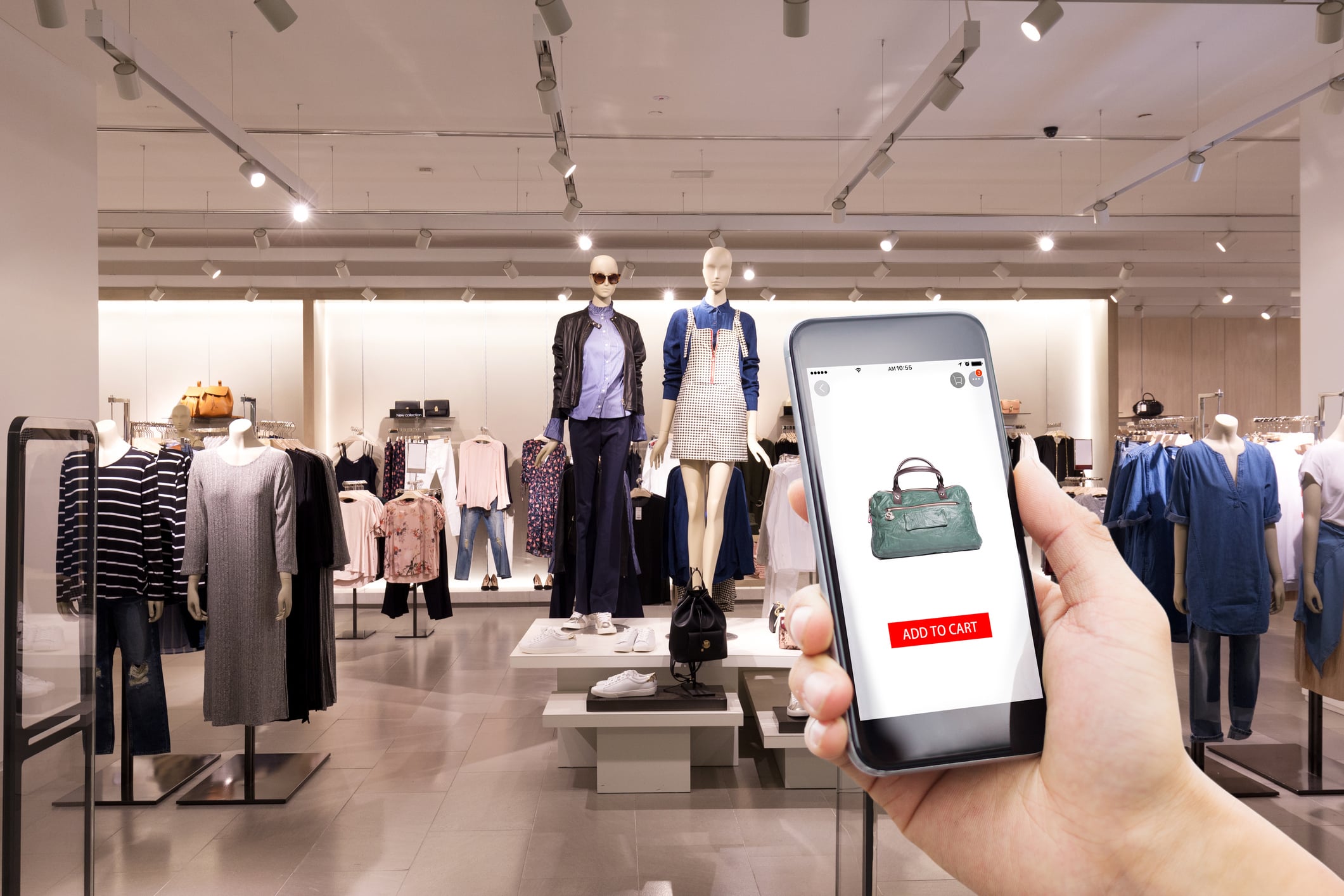
When digital and in-store experiences don't talk to each other, retailers lose more than one sale. They lose the shopper's trust in every channel that follows.
What Is Phygital Retail?
Phygital retail is what happens when physical and digital shopping stop operating as separate channels and start operating as one continuous journey. A shopper researches on her phone, builds a cart on her laptop, then walks into a store where a QR code, an app, and digital signage are supposed to pick up exactly where she left off. The term matters because retailers no longer compete store by store or channel by channel. They compete on whether the whole journey holds together.
A Day in a Phygital Shopper's Life
Meet Maya. She's shopping for a new espresso machine, and her path to buying one says more about modern retail than any store walkthrough could.
Tuesday night, on the couch, she sees an ad on her phone, taps through, and spends twenty minutes comparing models on the mobile site. Wednesday morning, at her laptop, she reads reviews, checks specs, and adds one to her cart, but she doesn't buy. She wants to see it in person first.
Most retail journeys now blend digital and physical touchpoints before a single purchase is complete.
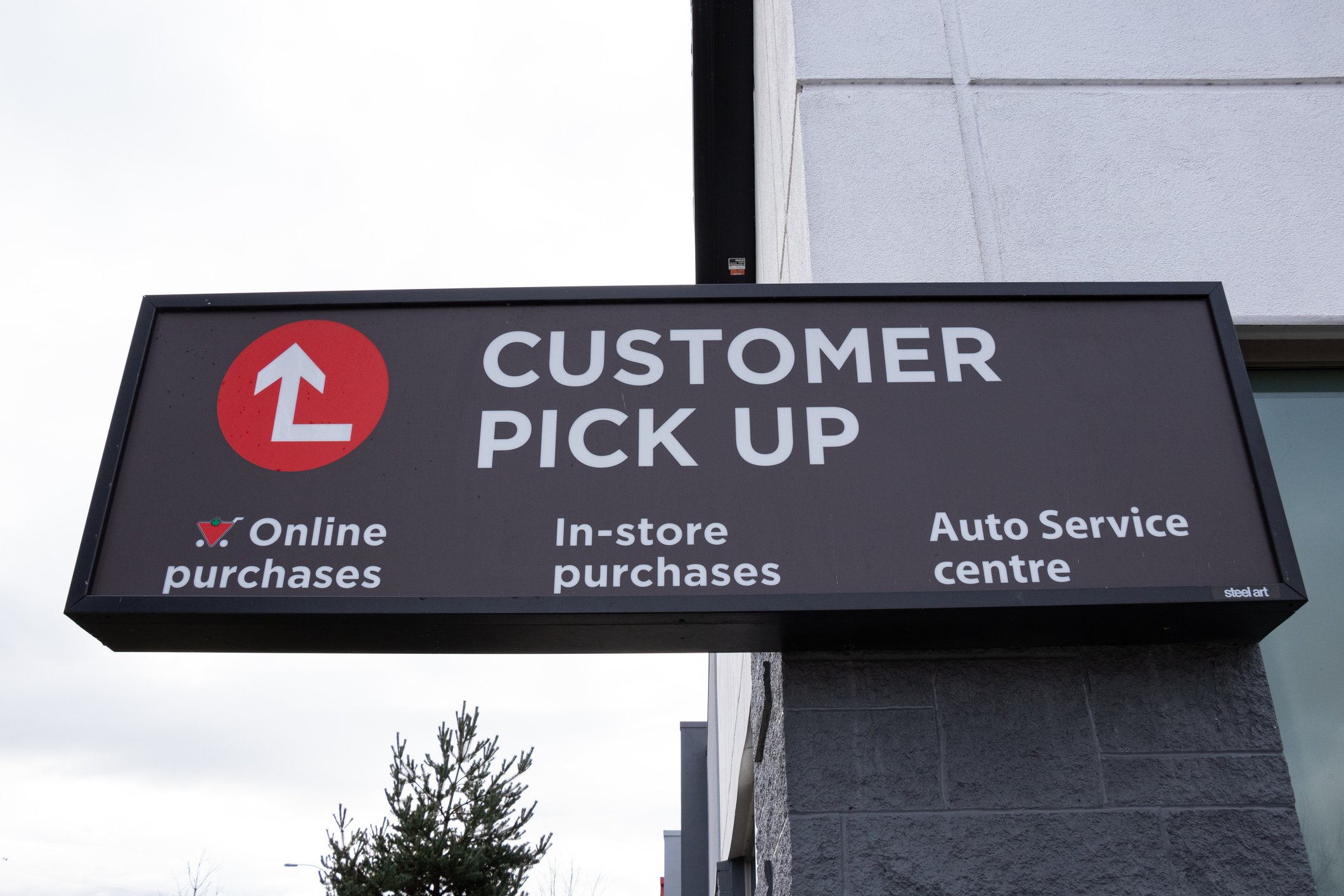
Saturday, she walks into the store, and her phone doesn't go back in her pocket. It becomes her shopping companion. She scans the QR code on the shelf tag to pull up reviews and personalized recommendations. She's one of the shoppers driving a 43% year-over-year jump in in-store QR scans. She checks the retailer's app to confirm the model is in stock at this location. She glances at digital signage to find the right aisle. When she finally decides, she doesn't carry the box to the register. She orders it for store pickup in the app, joining an estimated 97 million Americans who now regularly use buy-online-pickup-in-store (BOPIS).
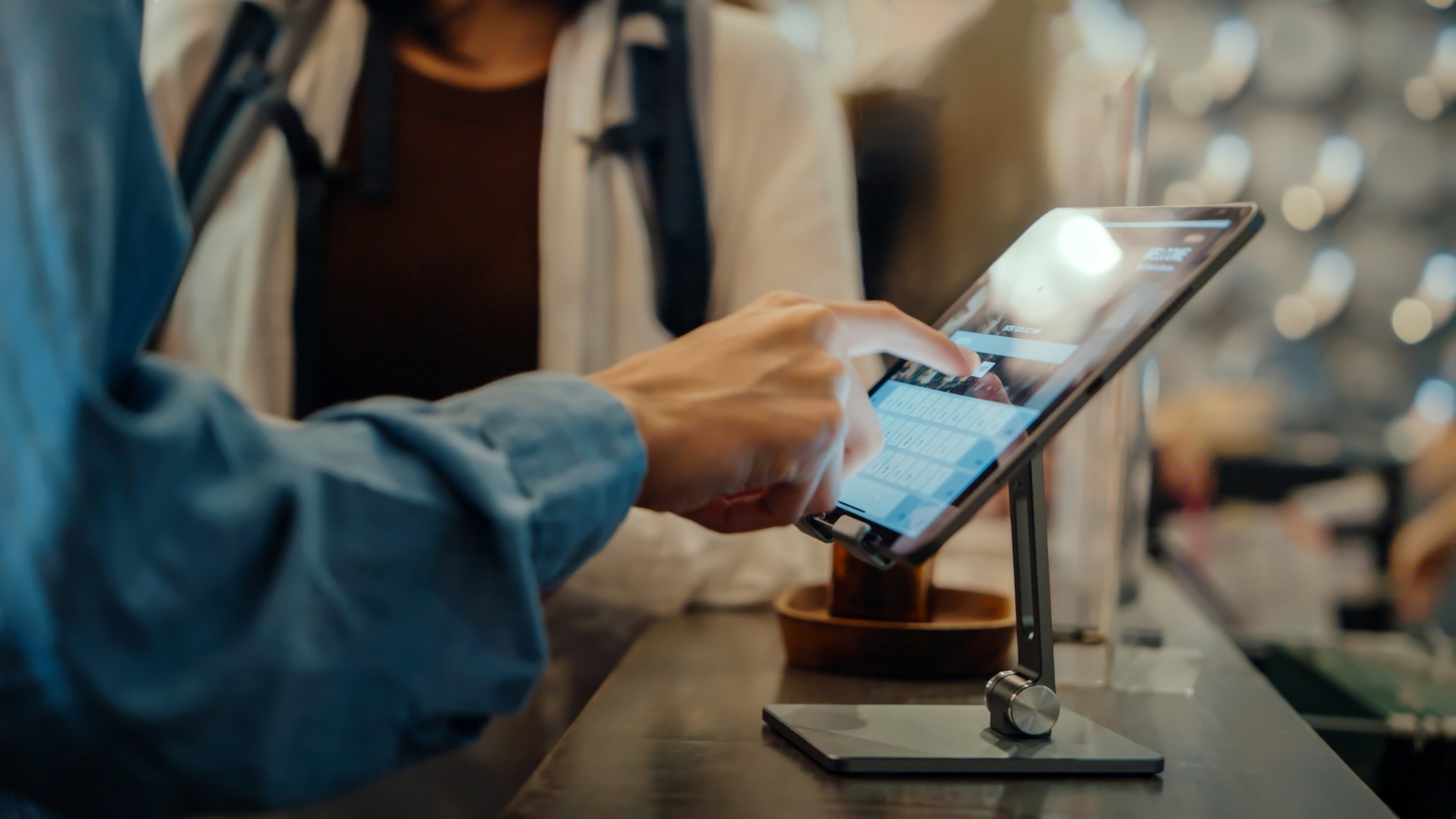 Maya isn't unusual. She's the norm. Most retail journeys now blend digital and physical touchpoints before a single purchase is complete. Welcome to phygital retail, where the two experiences don't just coexist. They're expected to function as one.
When the Journey Breaks Down
Now picture the other version of Maya's Saturday.
The QR code loads a static page with no reviews. The app says the espresso machine is in stock; it isn't. Her cart from Wednesday never synced, so she starts her research over, standing in the aisle. Every disconnected step makes her less likely to finish the purchase, or come back at all.
The cost isn't just the espresso machine. It's everything else Maya would have picked up on the way to the register. In surveys tracking pickup behavior, 85% of BOPIS shoppers report making an additional purchase while collecting an online order. Friction anywhere in the phygital journey doesn't just cost the primary sale. It costs the impulse purchases that come with it.
The Data Behind the Friction
- In-store QR code scans grew 43% year-over-year, as shoppers increasingly expect a shelf tag to connect to more information, not less.1
- An estimated 97 million Americans, more than a third of U.S. consumers, now regularly use BOPIS.2
- 80% of consumers visit a retailer's website as part of an in-person shopping trip, blending research and browsing into what looks, on paper, like a single "in-store" visit.3
- 85% of BOPIS shoppers say they've made an additional in-store purchase while picking up an online order: revenue that depends entirely on the pickup experience working.4

What Friction Actually Costs You
None of this is really about QR codes or apps. It's about whether a shopper's data, cart, and context follow her from the couch to the laptop to the aisle. When they do, friction disappears and Maya barely notices the handoffs. When they don't, every gap is a decision point where she can walk away. Each one she survives makes the next one likelier to end the trip.
For retailers, that means the real risk isn't a single failed feature. It's a broken journey that quietly suppresses conversion, average order value, and repeat visits all at once, often in ways that don't show up until quarterly numbers do.
Quick Answers
What is phygital retail?
Phygital retail is the blending of physical and digital shopping touchpoints (research, cart-building, in-store pickup, QR codes, apps) into a single continuous customer journey, rather than separate online and offline experiences.
What is BOPIS?
BOPIS stands for buy online, pick up in store. A shopper orders and pays online, then collects the item at a physical location instead of waiting for shipping.
Why does channel friction cost retailers revenue?
Because a broken handoff (a cart that doesn't sync, a QR code with no content, incorrect inventory data) doesn't just cost the original sale. It also costs the impulse and add-on purchases shoppers would have made while completing that errand.
Closing the Gap
The line between e-commerce and brick-and-mortar is effectively gone. What replaces it is a single expectation: that a shopper's data follows her, her context is preserved, and every step, from couch to laptop to aisle to register, feels like one trip, not four.
Is your store a seamless extension of your digital footprint? Or is friction still standing between your shoppers and the register?
Blue Triangle helps retail teams see exactly where that friction shows up, and what it's costing them, before shoppers do the walking away.
Sources
[1] Uniqode: State of QR Codes 2026 (43% YoY growth in in-store QR scans)[2] Capital One Shopping Research: Buy Online Pick Up In Store Statistics (2026)
[3] RetailNext: U.S. Consumer Sentiment Survey, August 2024 (via Capital One Shopping Omnichannel Statistics)
[4] Doddle consumer survey, cited in Retail Dive